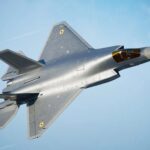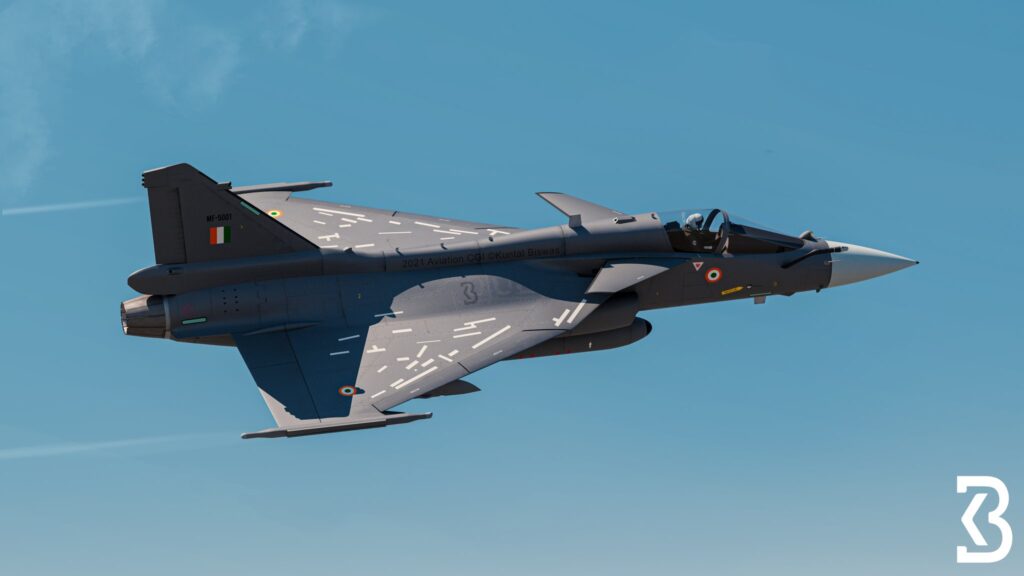

The Tejas Mk2 is one of the most ambitious defence projects India has ever undertaken. As the Indian Air Force (IAF) modernises its fleet and prepares for future conflicts, the need for a powerful, reliable, and indigenous fighter has never been greater. Positioned as a 4.5-generation multirole combat aircraft, Tejas Mk2 represents India’s next major leap in military aviation.
With global conflicts rising and Bharat’s neighbourhood becoming more uncertain, Tejas MK2’s success is not just desirable but critically important.
Evolution of India’s Light Combat Aircraft Program
Tejas Mk1 : Early Beginnings
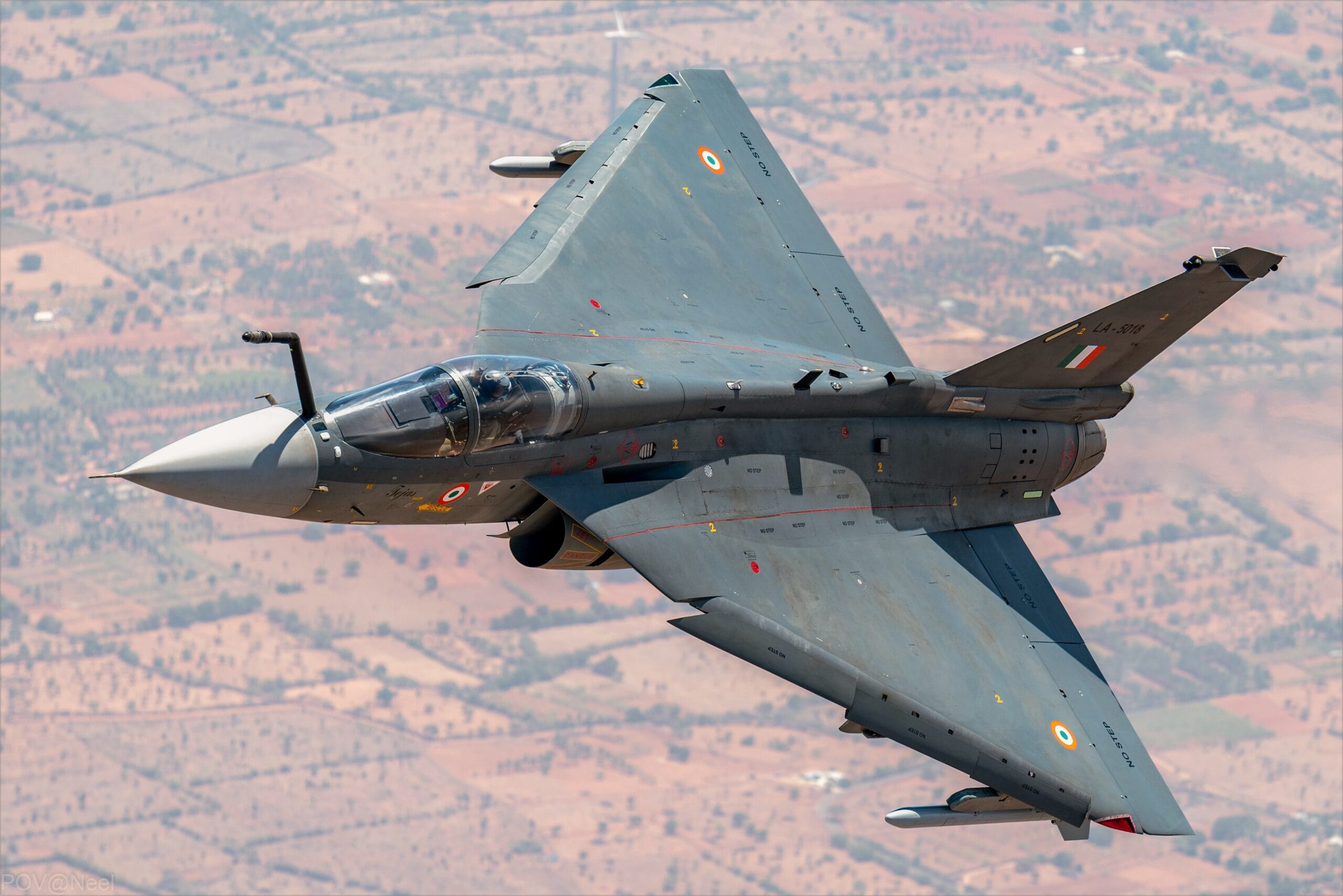
India’s Light Combat Aircraft (LCA) program began in the early 1980s to replace the ageing MiG-21 fleet. What followed was decades of research, hard work, setbacks, technological hurdles & quiet perseverance by DRDO, ADA & HAL.
The Tejas Mk1 finally entered service in 2016, making it India’s second indigenous fighter jet after HAL HF-24 Marut.
Tejas Mk1 to Tejas Mk1A : A crucial Evolution Step
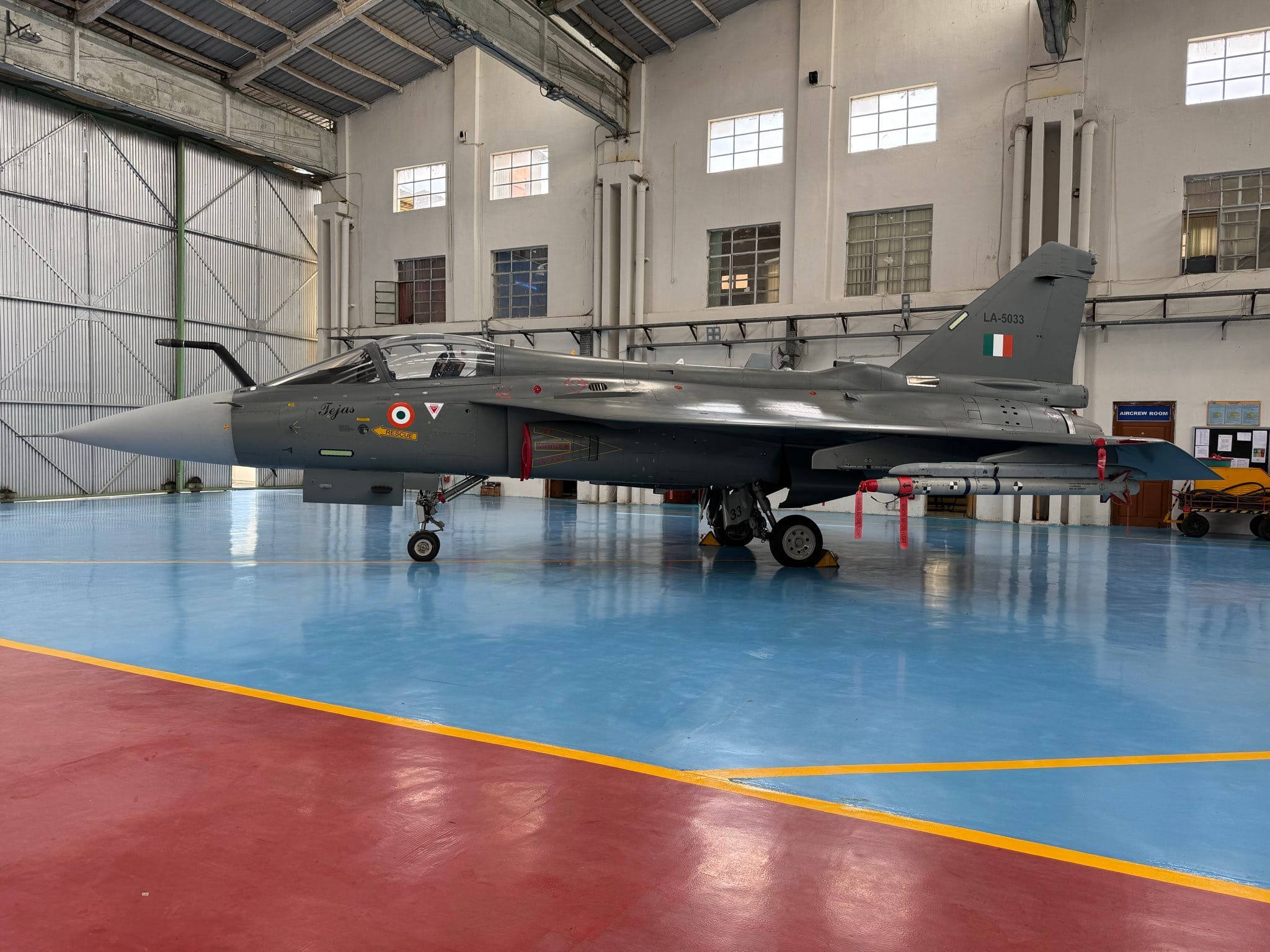
While the Tejas Mk1 was a historic milestone, it was clear that the IAF needed a more refined, combat-ready version that could enter service in large numbers.
This was the beginning of the Mk1A, an upgraded variant of Mk1 designed to fix technological & operational gaps identified during Mk1’s early service.
Tejas Mk1A introduced over 50+ improvements, including a more advanced electronic warfare (EW) suite, an Active Electronically Scanned Array (AESA) radar, mid-air refuelling capability, improved maintainability, improved avionics, & integration of a wider array of weapons.
The IAF has placed orders for a total of 180 Tejas Mk1A fighters. The initial orders in 2021 were for 83 fighter jets & follow-up orders of an additional 97 fighter jets were placed in September 2025.
What Makes Tejas Mk2 a Critical Upgrade?
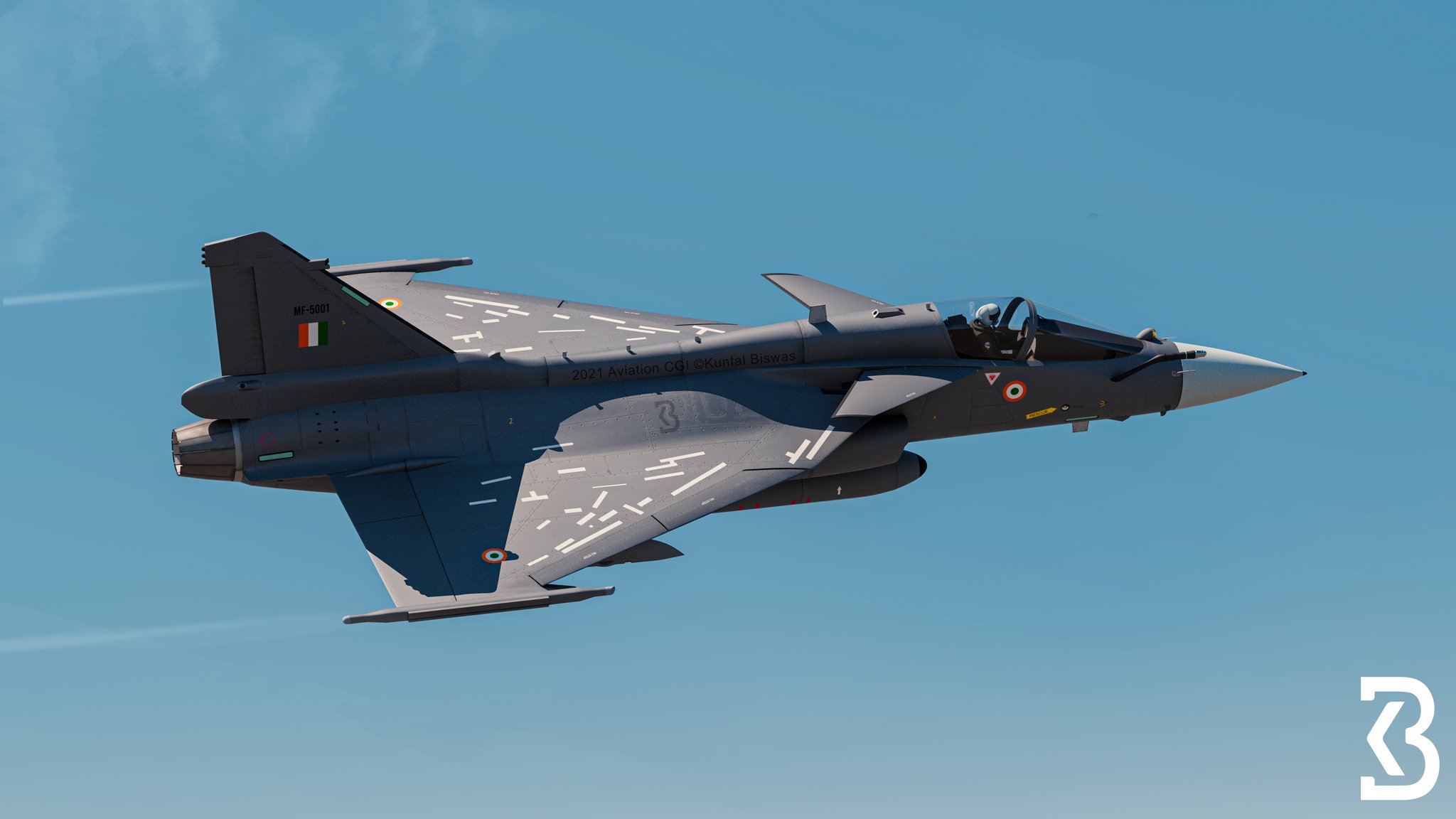
More Powerful Engine & Increased Payload
The Tejas Mk2 is not just an incremental upgrade, it is a complete redesign that bridges the gap between light fighters like Mk1/Mk1A & heavier platforms such as Mirage-2000 & Mig-29.
It is built around a more powerful GE F414-INS6 turbofan engine, which produces 98kN of thrust with afterburner compared to the 84kN thrust of the GE F404-IN20 used in Tejas Mk1/Mk1A.
The Mk2 offers higher thrust, which in turn gives the aircraft better acceleration, makes it more maneuverable & improves high altitude performance.
With a payload carrying capacity of (6500 Kg) compared to (3500 Kg) on Mk1A, the Mk2 can carry more & heavier weapons, making it far more capable than the Mk1/Mk1A.
Extended Range and Improved Aerodynamics
The Tejas Mk2 features canards, larger wings, a stretched fuselage all of which translate to better combat performance. These enhancements provide:
- Increased maneuverability
- Higher endurance for extended missions
- Increased internal fuel capacity
- Greater weapon carrying flexibility
Together this makes Tejas Mk2 more suited to deep strike missions, long duration sorties, roles where Mk1A had limitations.
Avionics, Radar & Sensor Suite Enhancements
The Tejas Mk2 offers a significant advancement in situational awareness & sensor technologies. The Aircraft features:
- Uttam AESA Radar (planned)
- Enhanced EW (Electronic Warfare) suite
- IRST (Infrared Search and Track) sensors for passive detection
- Advanced communication, datalinks & self protection systems
These upgrades allow Mk2 to detect and engage threats earlier. Moreover, the aircraft can resist jamming and operate efficiently in modern electronic warfare heavy battlefields.
Tejas MK2 Design Features and Capabilities
Combat Capabilities
The Tejas Mk2 is designed as a true multirole combat aircraft capable of both air superiority & precision strike missions. It can integrate a wide range of modern weapons, including:
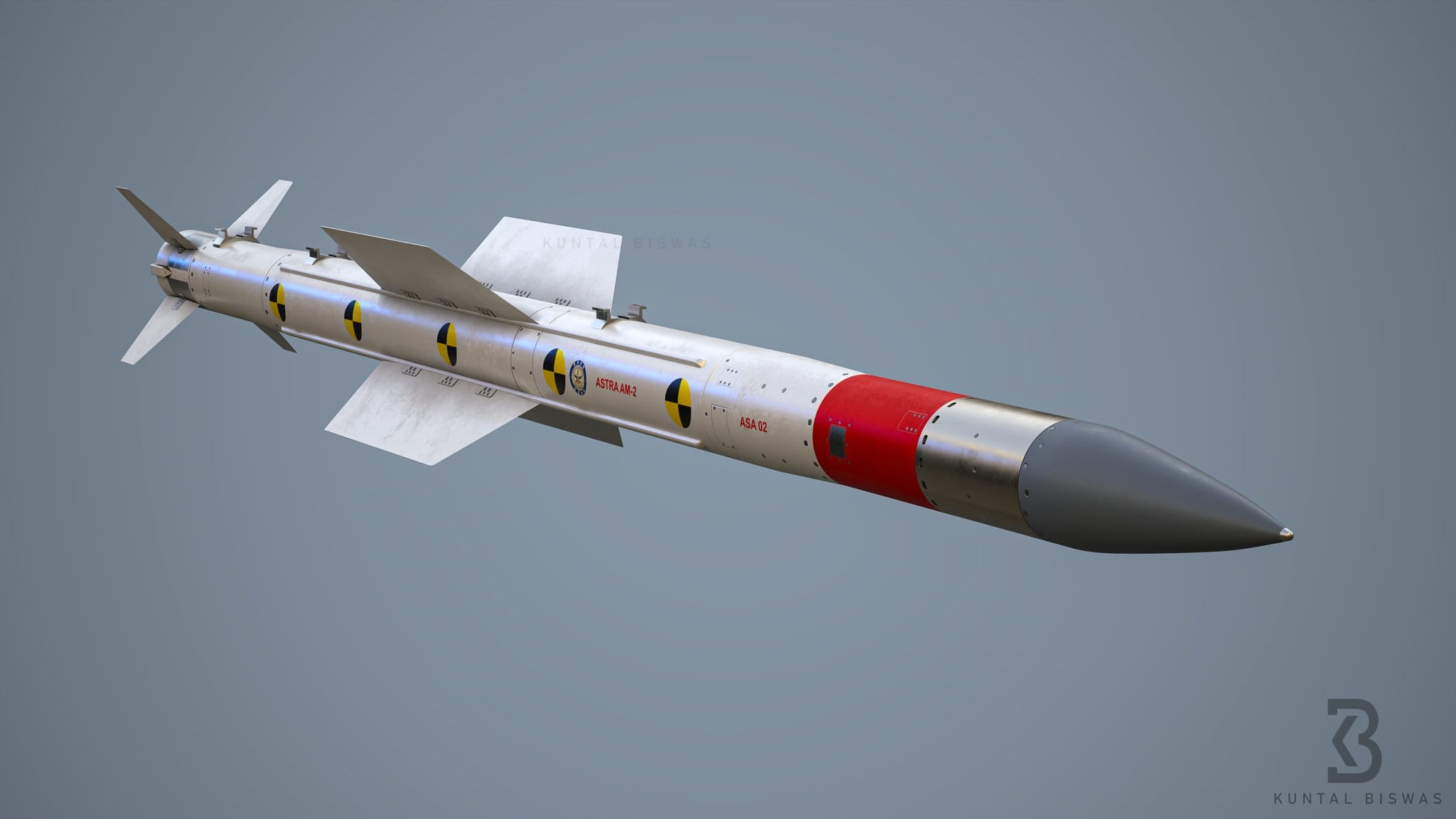
- Astra Mk1 / Mk2 / Mk3 – variants of BVR (Beyond Visual Range) missiles
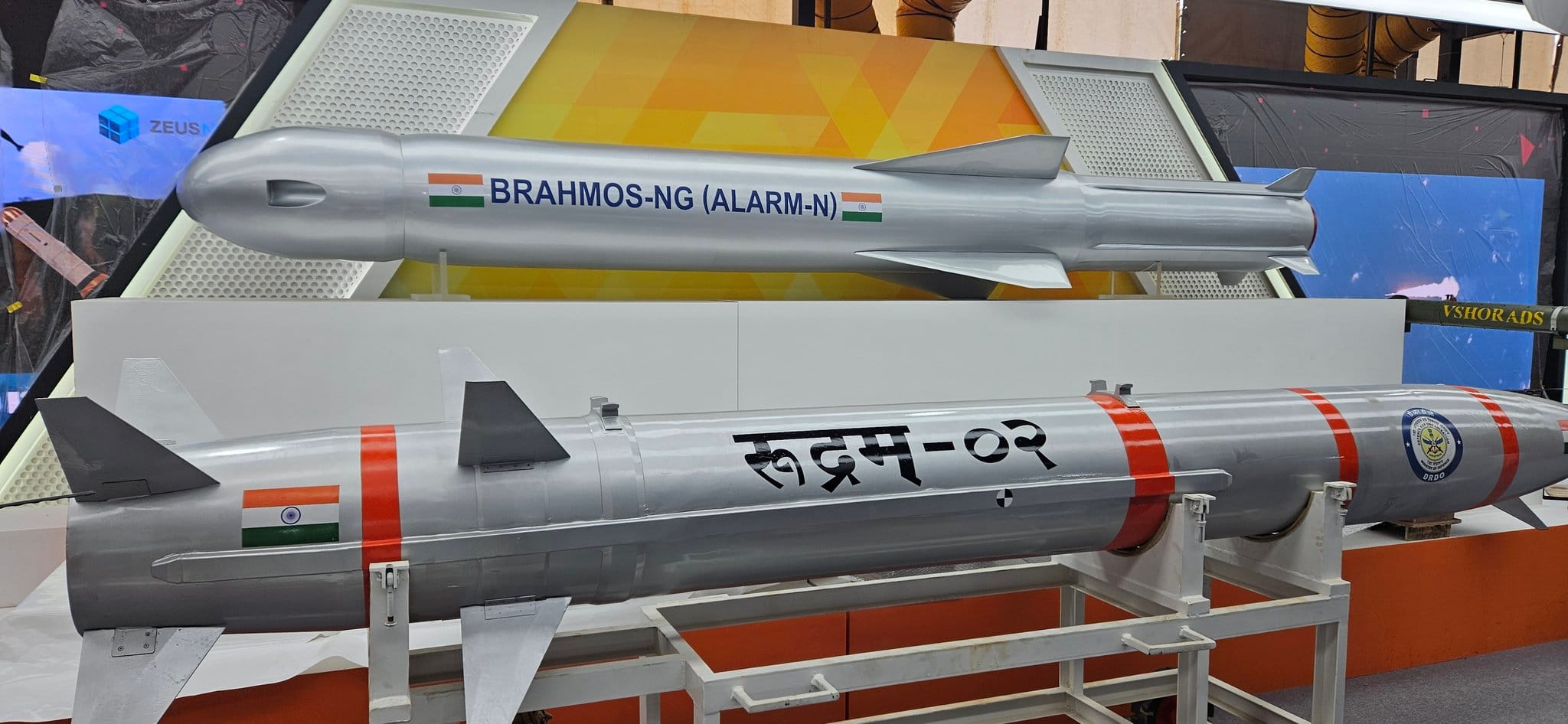
- Brahmos-NG (Next Generation) Cruise Missile
- Rudram Family of Air-to-Surface anti-radiation Missiles
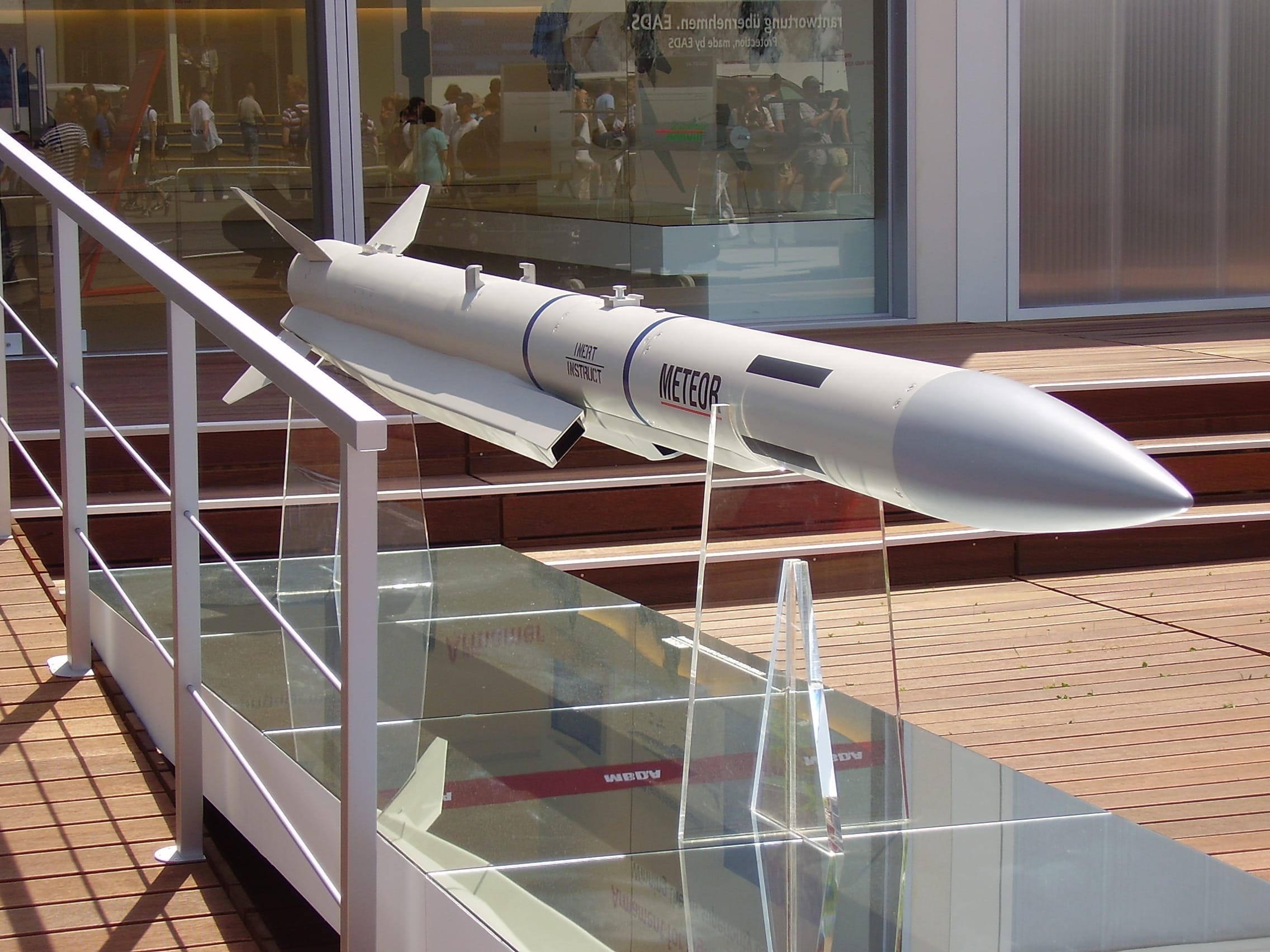
- Meteor class BVR missiles
Multirole Flexibility of Tejas Mk2
Tejas Mk2 can perform an impressive spectrum of missions:
- Interception
- Combat Air Patrol (CAP)
- Deep Strike
- Reconnaissance
- Electronic Warfare
This multirole capability ensures that a single squadron of Mk2 can perform tasks that once required multiple aircraft types.
Stealth & Self-Protection Characteristics of Mk2
While the Tejas Mk2 is not a stealth fighter like the top of the line 5th Gen fighter jets like the F35 or Su-57, it still incorporates several features that significantly enhance its survivability in modern warfare:
- Reduced radar cross section (RCS) through use of better shaping and composites.
- High percentage of composite structutre.
- Internal EW suite for jamming, deception & protection.
These additions give the Mk2 a much stronger chance of surviving and dominating in modern, heavily defended airspace.
Strategic Importance of Tejas Mk2 for India
Filling the Fighter Jet Gap for the IAF
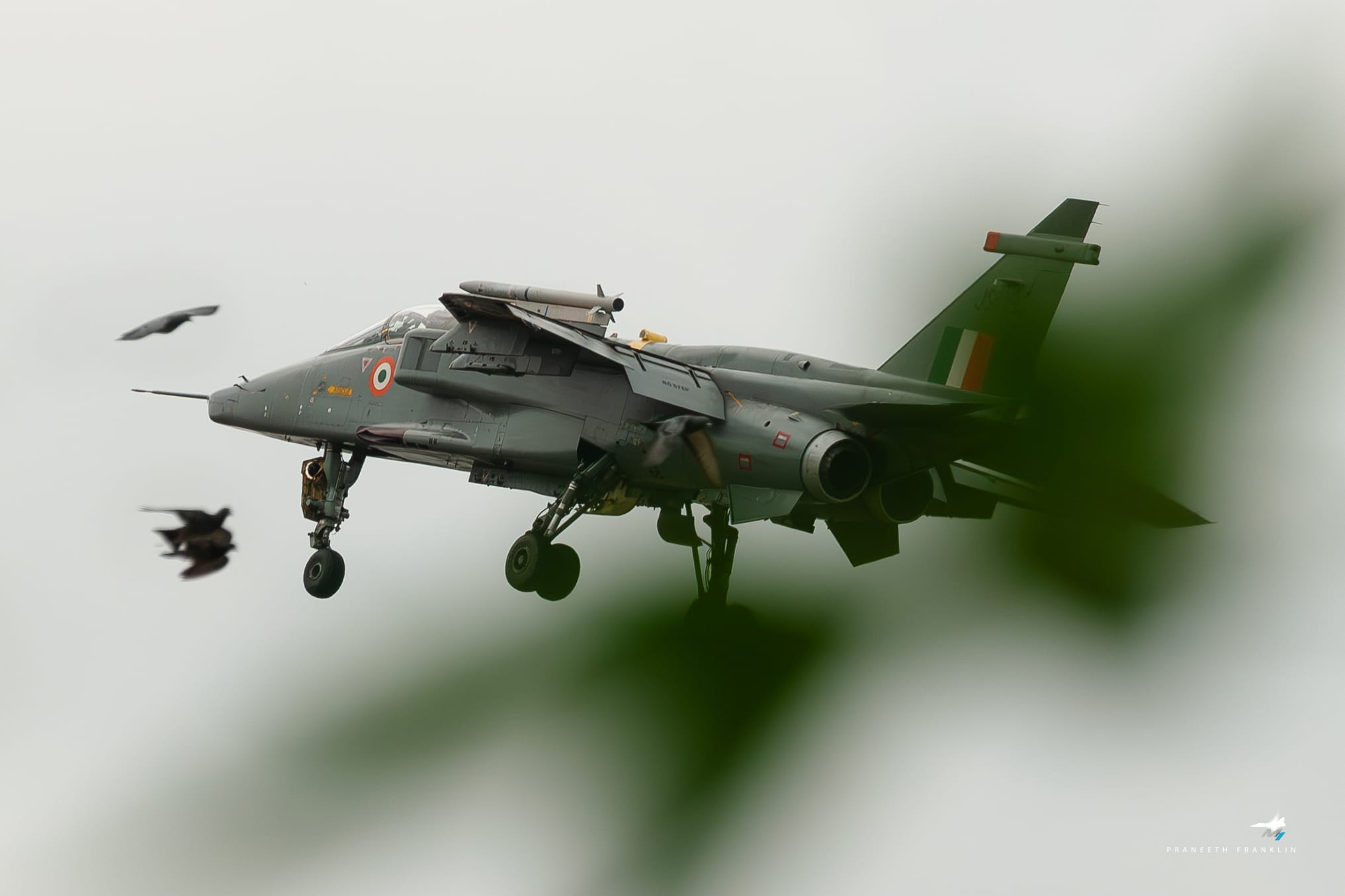
The Indian Air Force urgently needs new fighters to replace its ageing fleet of Jaguar & MiG-29s. With squadron strength falling & regional threats rising, Tejas Mk2 is expected to fill this critical capability gap. Its induction will ensure the IAF maintains the force levels required for a credible two front defence posture.
Reducing Dependence on Foreign Fighters
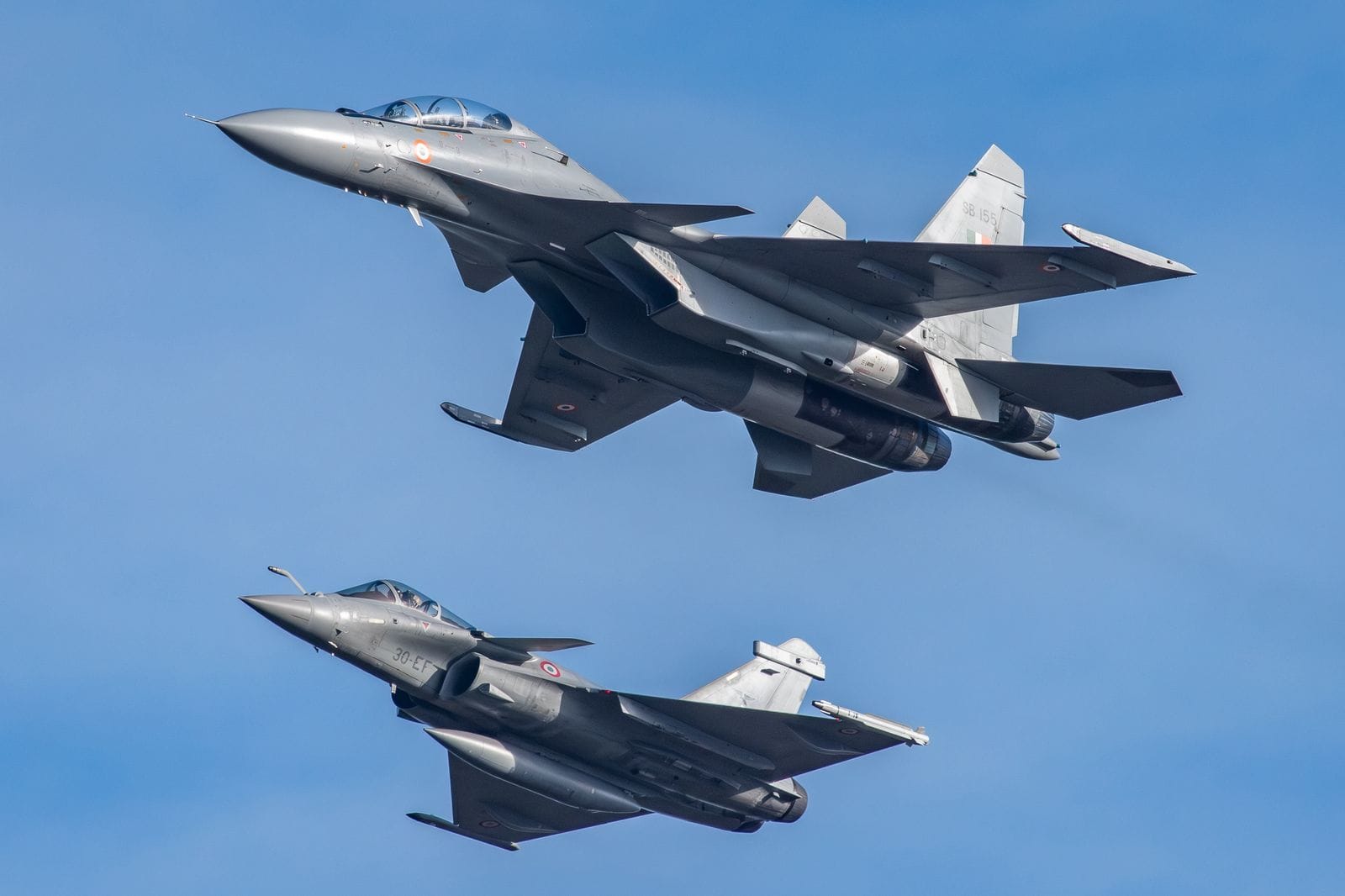
Today, the majority of India’s combat fleet relies on foreign platforms, including the Su-30 MKI, Rafale, MiG-29, and Mirage-2000. Although these aircraft are highly capable, dependence on external suppliers creates vulnerabilities in wartime logistics, spares availability and upgrade cycles.
A successful Tejas Mk2 program will dramatically reduce this dependence, saving billions in imports while also giving India strategic freedom and technological control over its frontline fighters.
Boost to Indigenous Defence Manufacturing
Tejas Mk2 is not just an aircraft its an ecosystem. The program supports:
- Local manufacturing industries
- Aerospace research & Innovation
- High Skilled Employment
- Growth of private sector defence companies
Dozens of Indian firms are now part of the Mk1A supply chain, similarly they will be part of Mk2 supply chain as well. This in turn, strengthens the country’s defence industrial base and long term self reliance.
Why the Success of Tejas Mk2 is Critical For India
Geopolitical Dynamics and Regional Security
With China rapidly expanding its air power with sheer numbers and also helping Pakistan upgrade to the latest 5th Gen fighter (J-35) jets, along with 4th Gen (J-10C), India needs a modern indigenous fighter to maintain deterrence and regional superiority.
Tejas Mk2’s advanced sensors, high payload capacity, and multirole flexibility make it essential for India’s posture in the coming decades.
Enhancing India’s Long Term Air Power Strategy
Tejas Mk2 fills the critical gap before the induction of India’s 5th Generation AMCA. Without the Mk2, the IAF risks facing a dangerous capability and squadron gap during its transition period.
Challenges Ahead for Tejas Mk2
Production Timelines and Testing Phases
Key Milestones the program must navigate include:
- Prototype Rollout
- First Flight
- Multiple Developmental and Weapon Trials
- Initial Operational Clearance (IOC)
- Final Operational Clearance (FOC)
| Milestone | Initial Target | Updated Timeline | Key Notes/ Drivers |
| Prototype Rollout | March 2026 | Q2 2026 (April – June) | Final Integration, system checks, validation cycles |
| First Flight | Mid 2026 | Early 2027 (Jan – Feb) | Ground trials, avionics testing, risk buffers |
| Low Rate Production (LRIP) | 2029 | 2029 (As Planned) | Mk1A learnings applied, streamlined production |
| Initial Squadron Production | Mid 2030s | Mid 2030s (Expected) | Targeting 120-150 units, gradual fleet ramp up |
Budget, Supply Chain & Technology Hurdles
Tejas Mk2 still faces several challenges:
- Ensuring continuous funding
- Securing long term engine supplies along with spares
- Increasing indigenous content
- Scaling production capacity
- Strengthening the private sector supplier network
Resolving these issues is vital for maintaining timelines and quality.
Government Push, DRDO’s Roadmap & Future Variants
Tejas Mk2 Production Plan
The government aims to manufacture 120+ Tejas Mk2 aircraft, with the possibility of scaling up depending on IAF requirements and export orders. This production run will form a significant portion of India’s combat fleet.
AMCA & Other Projects Inspired by Mk2
Tejas Mk2 lays the foundation for India’s next generation programs, including:
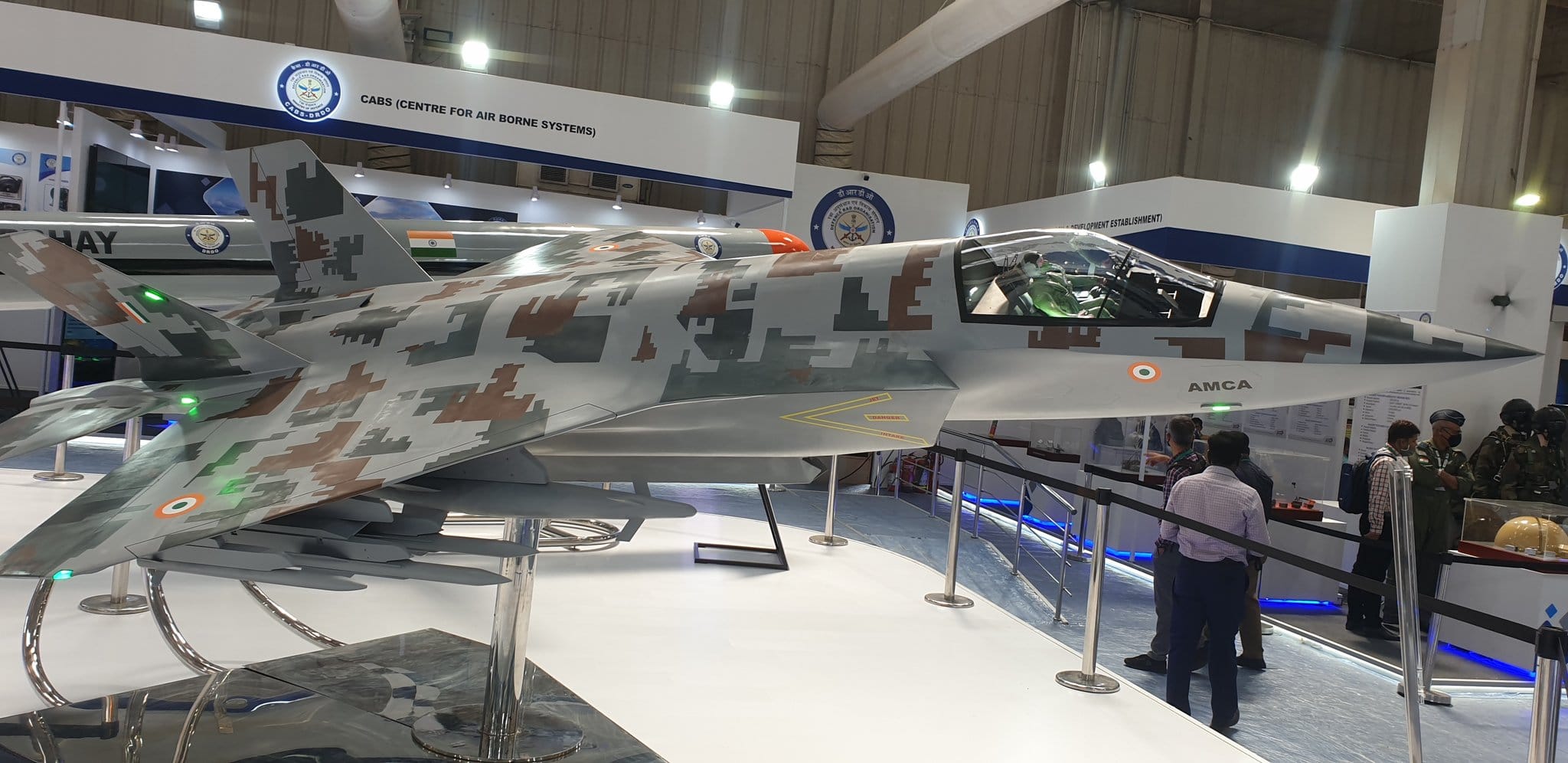
- AMCA (Advanced Medium Combat Aircraft)
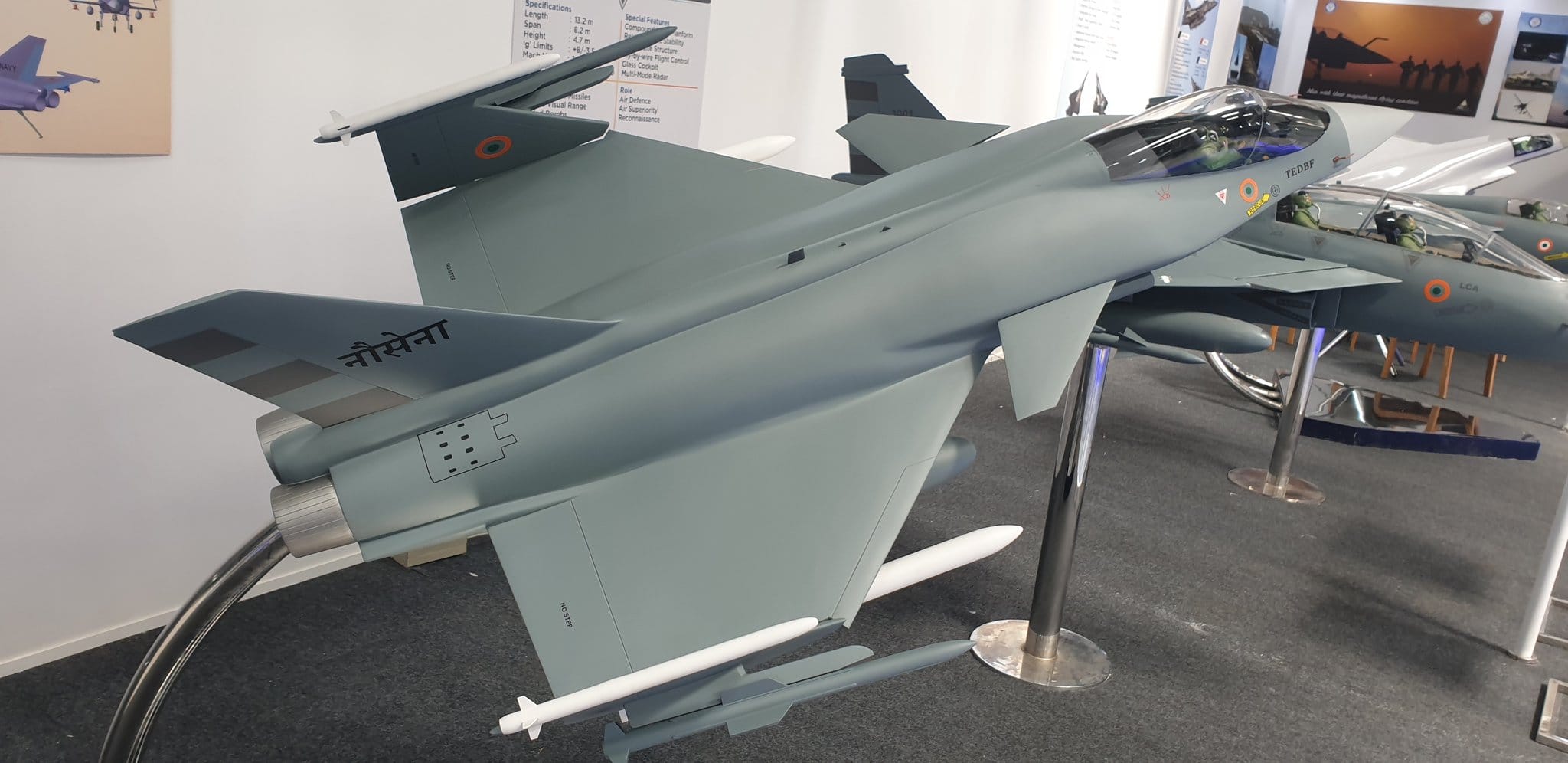
- TEDBF (Twin Engine Deck Based Fighter)
- Integration of more advanced indigenous weapons
The technologies perfected in Mk2 directly feed into these future platforms.
Conclusion: Why Tejas Mk2 Matters More Than Ever
The Tejas Mk2 is more than a fighter jet; it is a symbol of India’s technological strength, strategic autonomy, and long term defence vision.
Its success will shape the future of India’s airpower, strengthen regional security, boost indigenous manufacturing, and lay the foundation for next generation platforms like AMCA & TEDBF.
As Global threats evolve, Tejas Mk2 stands as one of the most crucial defence projects of modern India.
📸 Image Credits & Visual Attributions
Tejas Mk2 Render — DRDO on X (GODL–India)
Tejas Mk1 — Government of India / Ministry of Defence (GODL–India)
LCA Tejas Mk1A – Hindustan Aeronautics Limited (HAL) on X
Tejas Mk2 – 3D Render —
Kuntal Biswas (@Kuntal__biswas) — View Profile
Astra Mk2 BVR Missile —
Kuntal Biswas (@Kuntal__biswas) — View Profile
BrahMos-NG & Rudram-2 Missiles —
Vayu Aerospace Review (@ReviewVayu) — View Profile
Meteor BVR Missile —
ILA-BOY — Public Domain (Wikipedia)
IAF Jaguar —
Praneeth Franklin (@Praneethfrank) — View Profile
Su-30MKI & Rafale Formation —
Indian Air Force (@IAF_MCC) — View Profile
AMCA Concept Render —
Vayu Aerospace Review (@ReviewVayu) — View Profile
TEDBF Render —
Vayu Aerospace Review (@ReviewVayu) — View Profile
All images are credited to their respective creators. Used under fair use for educational and informational purposes.